- Good old-fashioned service at a fair price!
- Call Us: (303) 772-0035
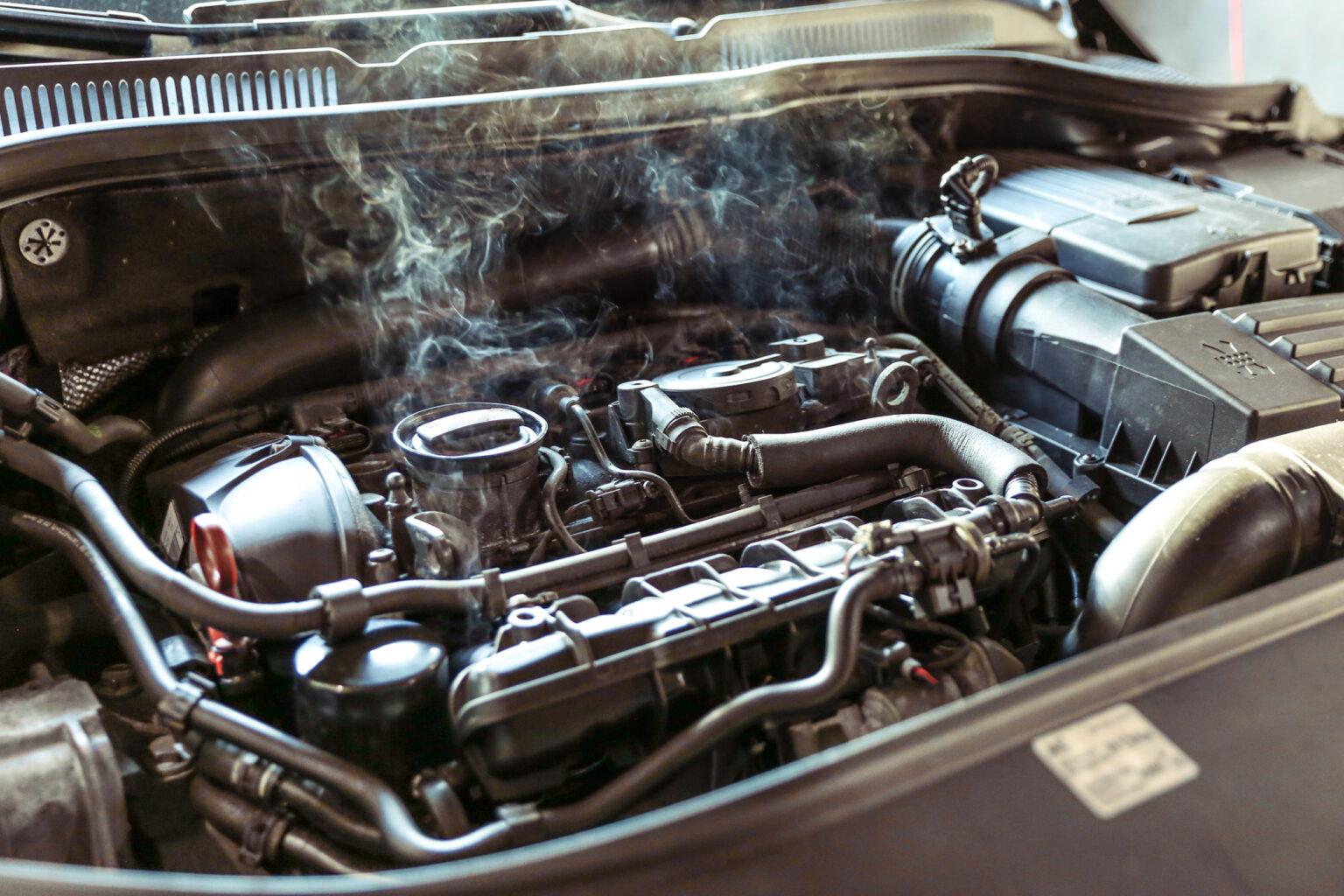
Few vehicle problems are as stressful, or as damaging, as an overheating engine. Whether you’re commuting through Longmont or heading out for a Colorado road trip, overheating can leave you stranded and lead to costly repairs if ignored. At Twin Peaks Auto Repair Longmont, our ASE Certified auto technicians regularly diagnose overheating issues and help drivers stay ahead of major engine damage.
Understanding what causes engine overheating is the first step in protecting your vehicle and avoiding unexpected breakdowns.
Your engine operates within a specific temperature range to perform efficiently. When it gets too hot, critical components like gaskets, seals, and even the engine block can become damaged. This is why addressing overheating issues quickly with a trusted auto repair shop is essential.
Low Coolant Levels
Coolant (antifreeze) plays a crucial role in regulating engine temperature. If your coolant level is low due to leaks or lack of maintenance, your engine won’t be able to stay cool. This is one of the most common reasons drivers need auto repair for overheating.
Coolant Leaks
Leaks can occur in hoses, the radiator, water pump, or even the heater core. A small leak can quickly turn into a major problem, leading to overheating and potential engine damage.
Faulty Thermostat
The thermostat controls the flow of coolant through your engine. If it becomes stuck closed, coolant can’t circulate properly, causing temperatures to rise rapidly.
Radiator Problems
Your radiator helps dissipate heat from the coolant. If it becomes clogged, damaged, or blocked by debris, it can’t do its job effectively, leading to overheating.
Failing Water Pump
The water pump is responsible for circulating coolant throughout the engine. When it fails, coolant flow stops, and overheating can happen quickly.
Cooling Fan Issues
Cooling fans pull air through the radiator to help regulate temperature. If the fan motor, relay, or wiring fails, your engine may overheat, especially in stop-and-go traffic.
Broken or Worn Belts and Hoses
Belts and hoses play a key role in the cooling system. Cracks, leaks, or breaks can disrupt coolant flow and lead to overheating.
Recognizing the signs early can save you from major repairs. Watch for:
If you notice any of these symptoms, it’s time to visit a professional auto repair shop right away.
Preventative maintenance is the best way to avoid overheating issues. Here are a few key tips:
Working with experienced ASE Certified auto technicians ensures your vehicle’s cooling system is properly maintained and ready for Colorado’s changing temperatures.
At Twin Peaks Auto Repair Longmont, we specialize in diagnosing and repairing cooling system issues before they escalate. Our team provides reliable auto repair services using advanced diagnostics and years of hands-on experience.
If your vehicle is running hot or showing signs of overheating, don’t wait. Contact Twin Peaks Auto Repair today to schedule an inspection and keep your engine running safely and efficiently.